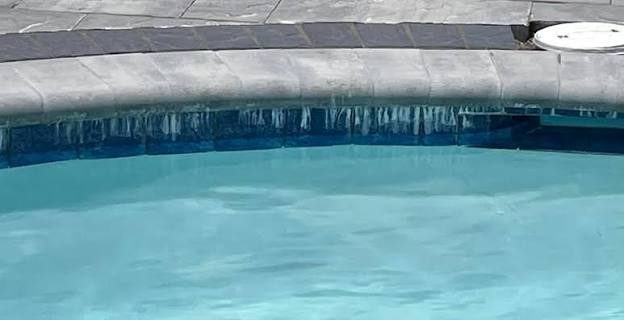
You walk out the morning after a Hill Country storm and the pool is barely a pool. It is a brown soup of branches, leaves, and mud, the water line is somewhere it should not be, and you cannot see the second step. It looks like a disaster, and the urge to do something dramatic, drain it and start fresh, or flip the pump on to “clear it up,” is strong.
Here is the catch: those two instincts are exactly the moves that turn a messy afternoon into an expensive repair. Draining a pool right after heavy rain can pop the shell out of the ground, and running the pump with debris in the water can pack your lines and burn up equipment. Meanwhile, a debris-filled pool left to sit in Texas heat turns green within days.
The good news is that a storm-hit pool almost always comes back, and it comes back fastest when you work in the right order. Here is exactly what to do, and what not to do, before you turn anything on.
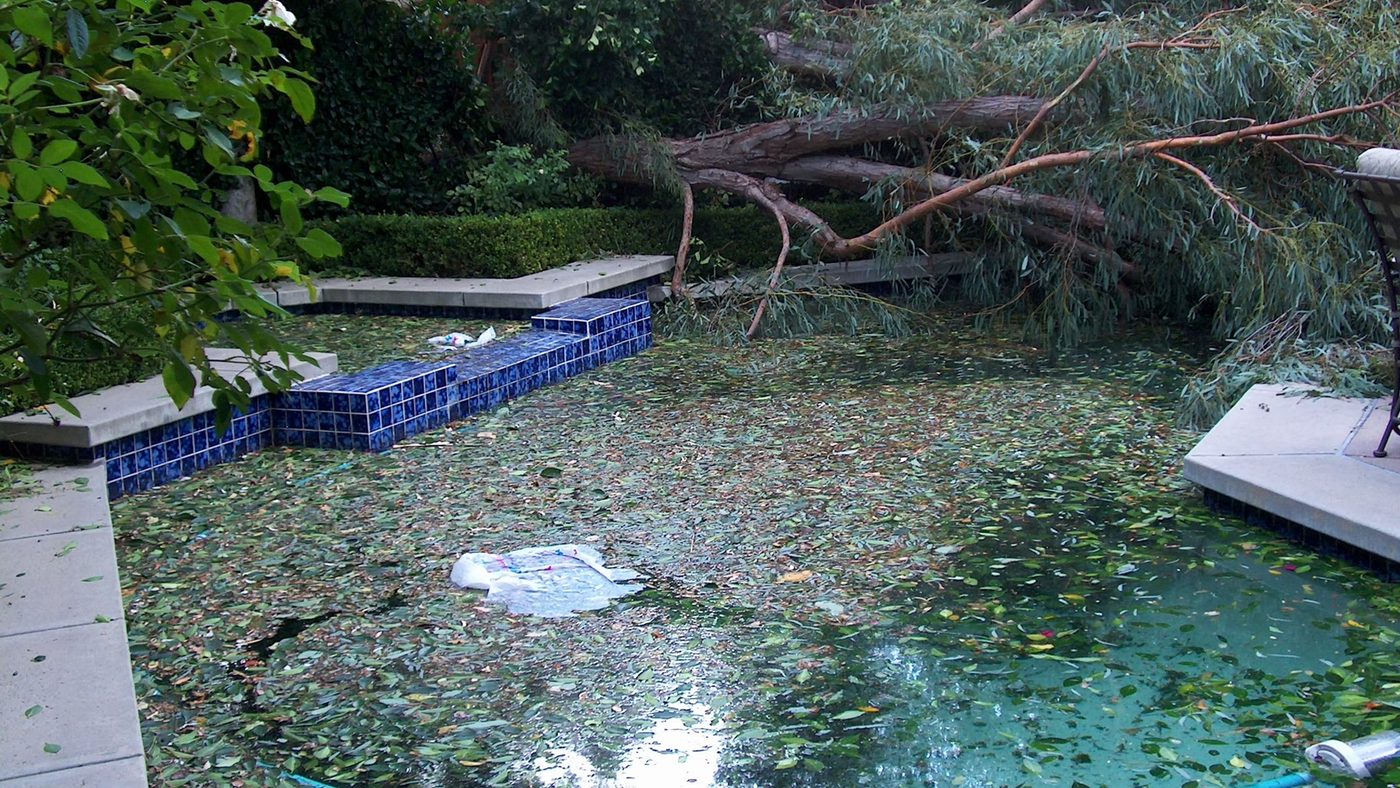
Before You Touch Anything, Check for Hazards
A storm can leave live hazards around the pool. Before you start scooping, look up and look around. Check for downed power lines near the yard, and do not go near the equipment pad if you see damaged wiring, a tripped breaker that will not reset, or standing water around electrical components. If anything looks compromised, keep everyone away and call an electrician or your utility first. If you do need to get into the pool to reach debris, wear shoes, because you cannot see what is on the bottom.
Do Not Drain Your Pool
This is the single most important rule after a storm, and it is the one that costs people the most when they get it wrong. It is tempting to empty a filthy pool and refill it clean. Do not.
After heavy rain, the ground around your pool is saturated and the water table rises. All that groundwater presses up on the underside of the pool shell. The water in your pool is what pushes back and holds it down. Empty the pool at the wrong time and there is nothing to counter that pressure, so the shell can literally float or “pop” up out of the ground, which is a catastrophic, five-figure repair. In New Braunfels, sitting on limestone and clay between two rivers, our water table can spike fast after a downpour, so this risk is very real here.
Never drain a pool to clean it after a storm
A saturated water table can push an empty shell out of the ground. Leave the water in. The only water you should remove is the excess if the level is too high, and only down to normal, using a submersible pump or siphon.
Get the Big Debris Out First
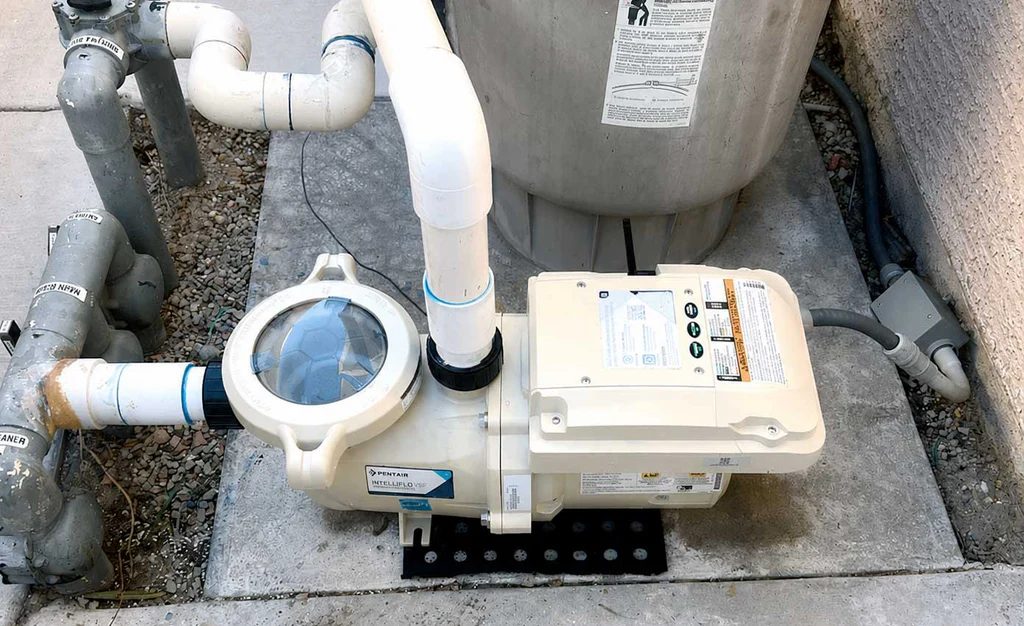
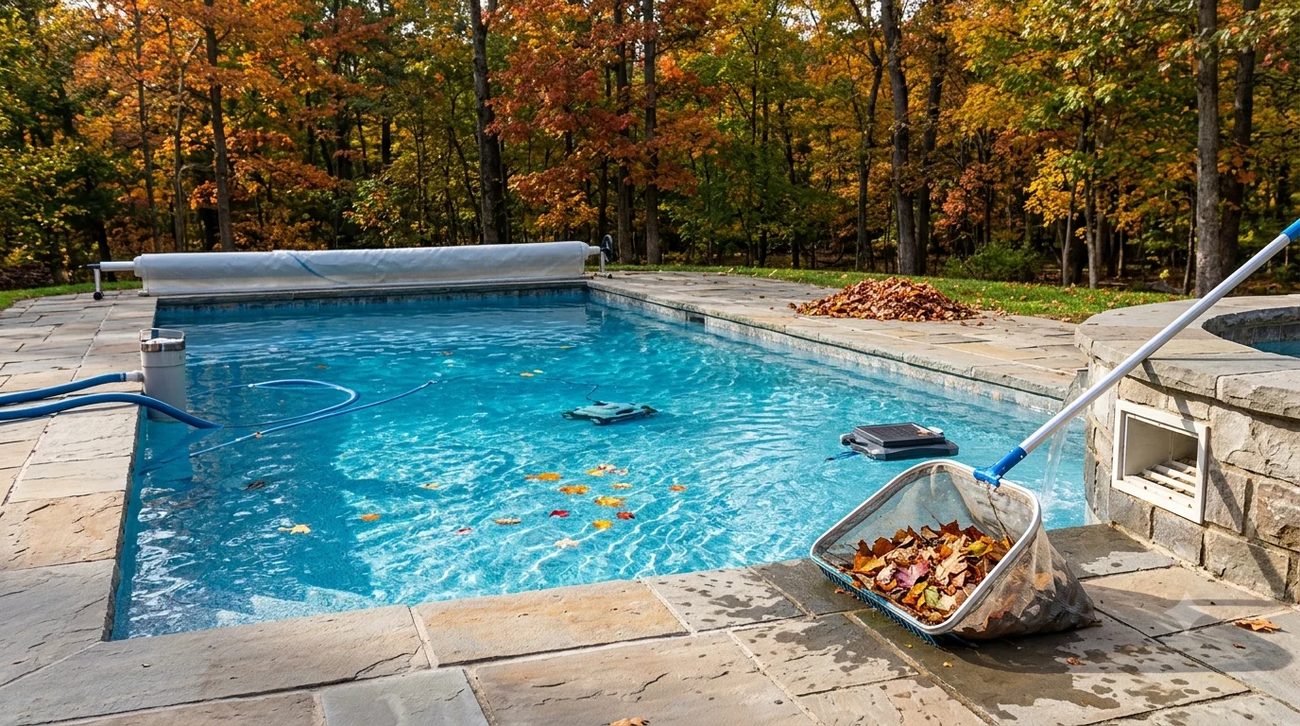
Before the pump ever runs, clear the large debris by hand. Turning the pump on with branches and leaves in the water pulls that material straight into the skimmer and suction lines, where it clogs and can starve or damage the pump.
- Scoop out branches, large leaves, and any bigger objects with a heavy-duty leaf rake or net. Take your time; this is the step that protects your equipment.
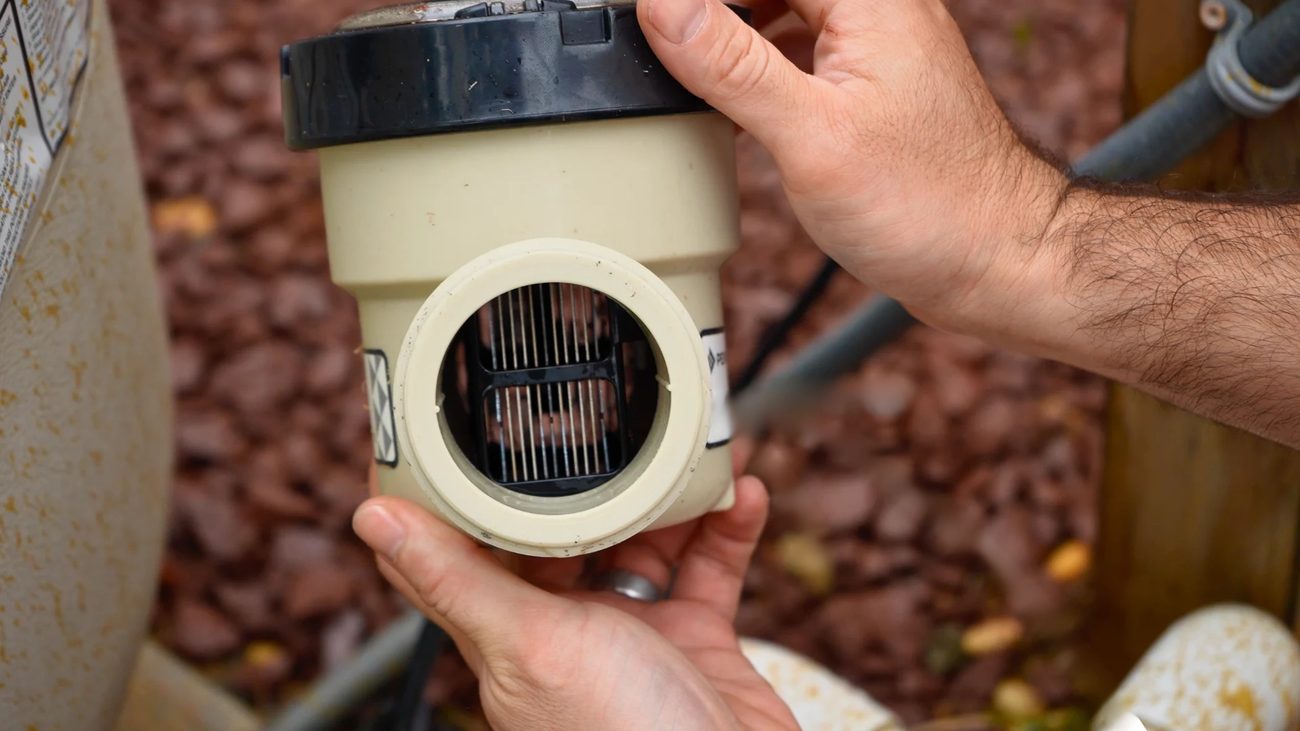
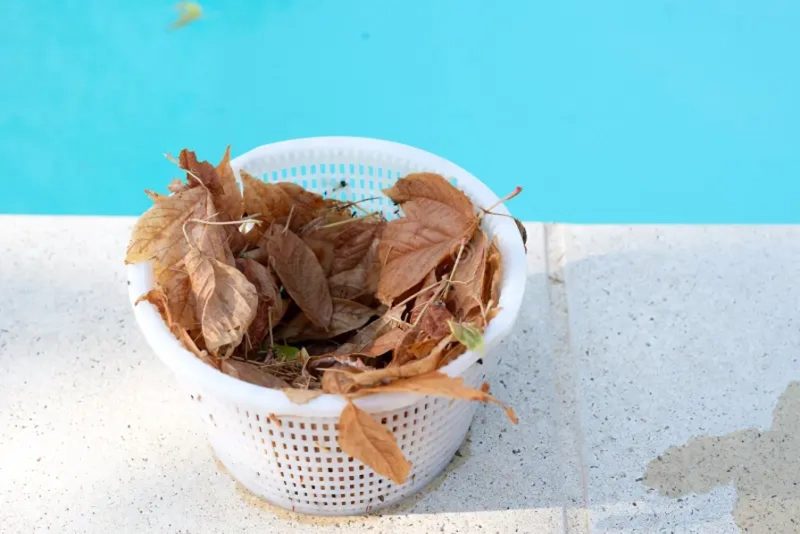
- Empty the skimmer and pump baskets, which fill almost instantly after a storm, and keep emptying them as you work.
- Once the surface is clear, net or scoop what settled on the bottom, or use a manual vacuum on waste if your system allows it, so heavy mud bypasses the filter.
- Only after the water is free of large debris should you start the pump.
Lower the Water Only If It Is Too High
A big storm can push your pool well above its normal level. If the water is over the skimmer and rising toward the deck, bring it back down to the middle of the skimmer with a submersible pump or a simple siphon. That is the one and only reason to remove water. You are lowering it to normal, not emptying it, and once it is back in range you stop.
Run It, Filter It, and Clean the Filter Often
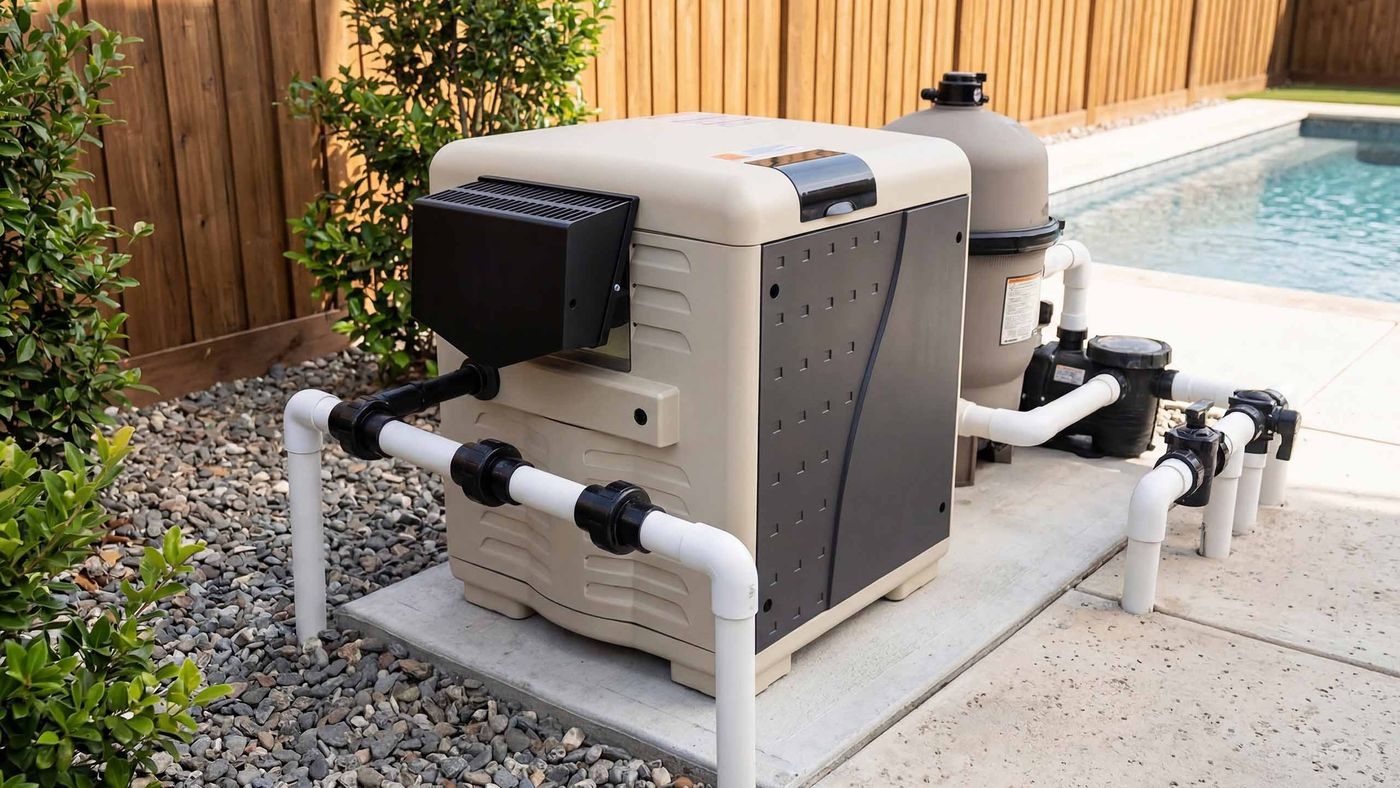
With the big debris gone, run the pump and filter continuously to start clearing the fine mud and haze. Expect the filter to load up fast, because it is now doing the heavy lifting. Clean or backwash it whenever the pressure climbs, and be ready to do that several times over the first day or two. A storm is exactly the kind of event that clogs a filter in hours, which is why good filter care matters so much right now. If the water is muddy rather than just cloudy, a clarifier or a flocculant can clump the fine particles so the filter can catch them, and brushing the walls and floor keeps stirring settled silt back into the water where the filter can grab it.
Balance the Water, Then Shock
Storm runoff dumps organic material and dilutes your chemistry, so once the water is circulating and clearing, rebalance it. Adjust total alkalinity first, then pH and calcium hardness, then shock the pool to handle the contamination the storm brought in. Keep the pump running the whole time. After shocking, wait until free chlorine settles back to a normal swimming range, about 2 to 4 ppm, before anyone gets in.
Storm recovery, in order
Work top to bottom, do not skip ahead
- Check hazards. Power lines, equipment, footing. Safety before cleanup.
- Do not drain. Leave the water in; remove only the excess if it is too high.
- Big debris out by hand. Net branches and leaves, empty the baskets, before the pump runs.
- Start the pump and filter. Run continuously; clean the filter often.
- Balance, then shock. Alkalinity, pH, calcium, then shock. Brush and clarify for mud.
- Wait to swim until free chlorine is back to about 2 to 4 ppm.
When to Call for Help
Plenty of storm cleanups are a weekend job. Call a pro when the problem is bigger than debris: equipment that will not start or trips its breaker, a pump that runs but moves no water, water that stays green or muddy after days of filtering, or visible storm damage to the shell, deck, or plumbing. Those are the times a fast, professional pool cleaning and equipment check pays for itself, and it is a lot cheaper than letting a green, debris-filled pool sit through a Texas week.
Storm left your pool a mess?
Poncho’s clears the debris, checks the equipment, and gets the water safely back to clear, without the risk of doing it wrong. Serving New Braunfels and Comal County.
Get a Free Quote