The first cool evening of the season rolls in, you flip the heater on, and the water stays stubbornly cold. Or worse, the heater fires for a minute, then clicks off and quits. You are picturing a big repair bill and a pool nobody can use until spring.
Here is the reassuring part: a heater that will not heat is usually not the disaster it feels like. The most common cause is not a broken heater at all, it is something cheap or even free upstream of it. The trap is reacting at either extreme, ignoring it and losing the pool for the season, or paying for a major repair when a five-minute check would have fixed it.
So we are going to work through the seven real reasons a pool heater stops heating, cheapest first, with a rough cost for each and a note on what is a do-it-yourself fix versus a call for a pro. Start at the top of this list and you will usually solve it before you ever reach the expensive stuff.
1. Start Here: It Is Almost Always Water Flow
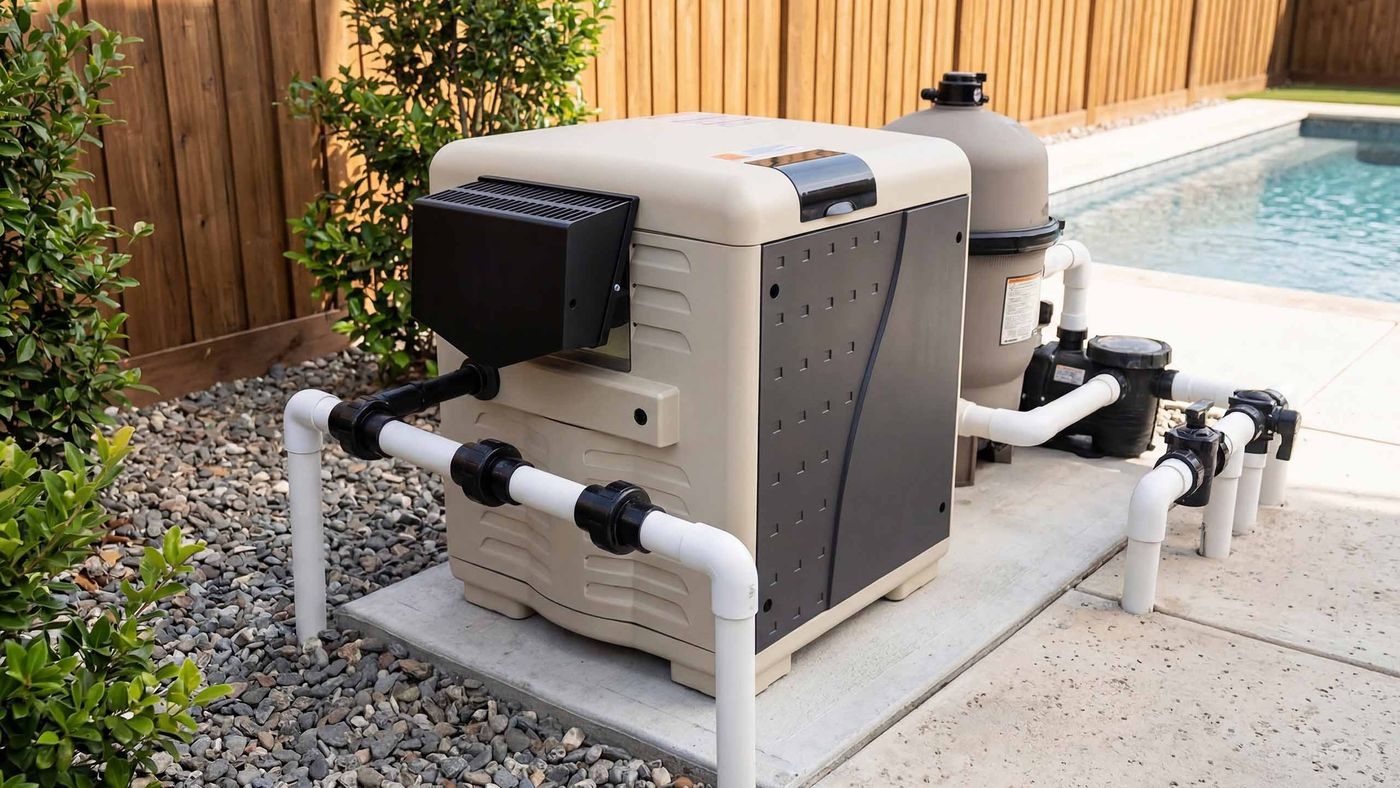
Every pool heater has a flow switch or pressure switch whose only job is to keep the heater from firing unless enough water is moving through it. It is a safety device, and it is doing its job. If flow drops too low, the heater refuses to light, or lights and then shuts off within a minute. And the number-one reason flow drops is a dirty filter.
Before you touch the heater, check the things that feed it:
Check these first (most fixes are here)
Free or cheap, and the cause about half the time
- Dirty filter. High filter pressure means low flow. Clean or backwash it, this alone fixes a huge share of “not heating” calls.
- Closed or half-turned valves. Make sure the valves to and from the heater are fully open.
- Low water level. If the water is below the skimmer, the pump is pulling air and losing flow.
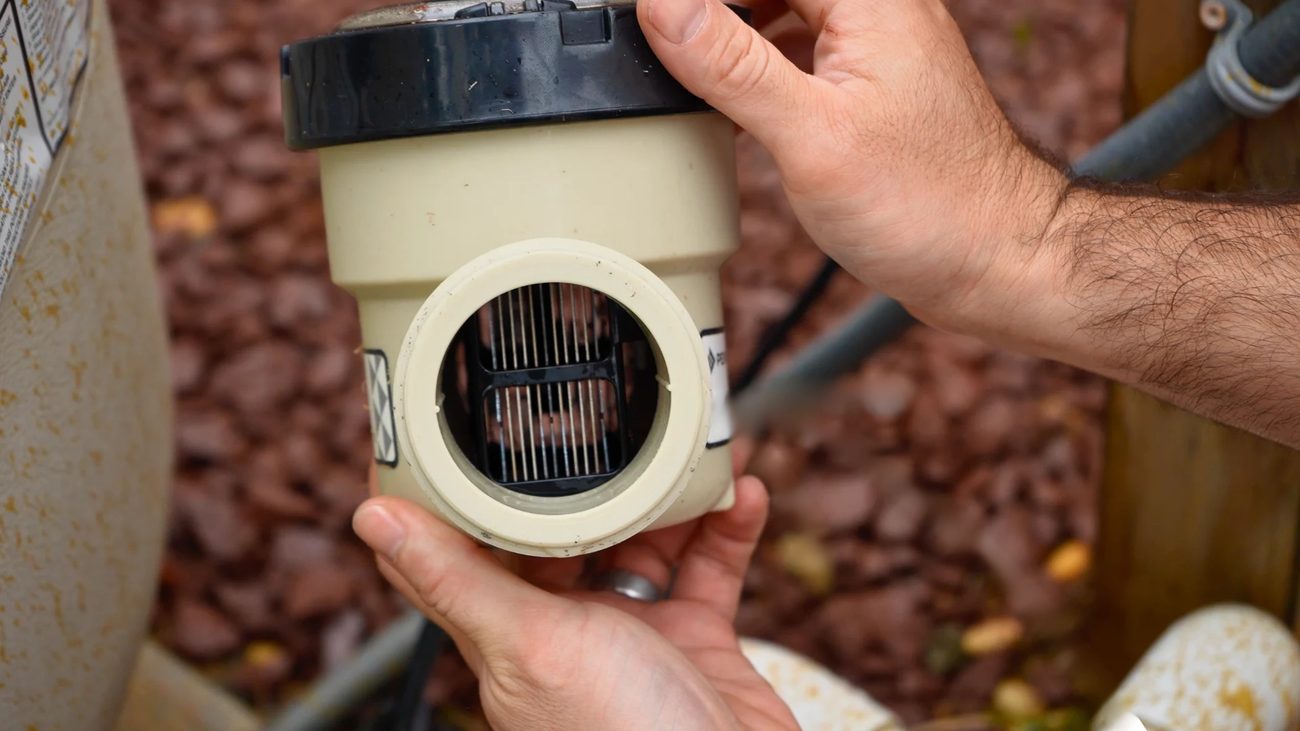
- Clogged pump or skimmer basket. Empty them so the pump moves full water.
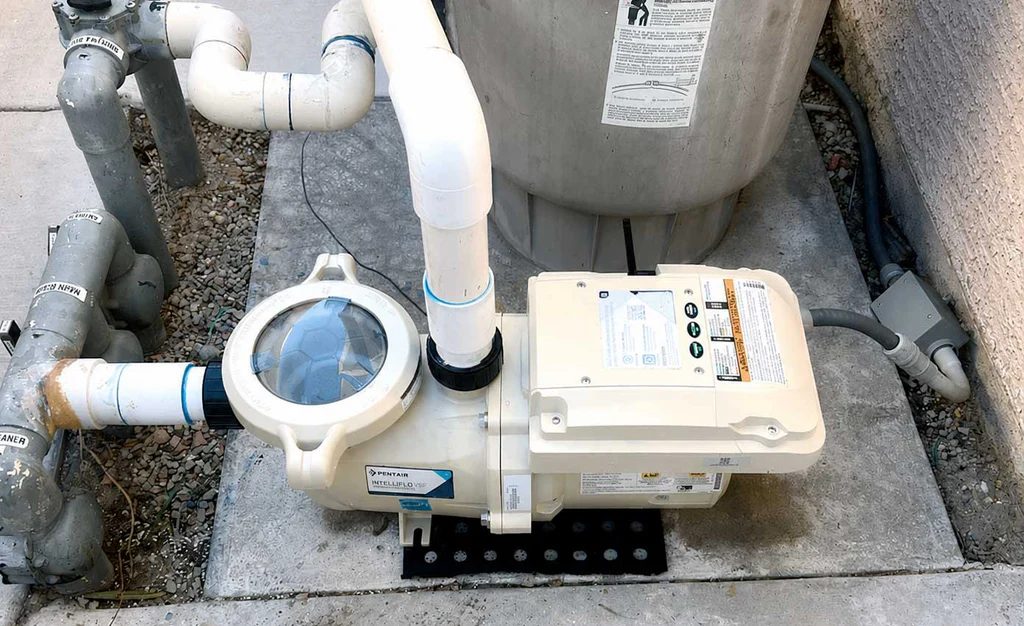
- Weak pump. If the pump is old or the impeller is clogged, flow may never reach the heater’s minimum.
A dirty filter is so often the culprit that keeping up with filter cleaning is one of the best things you can do for your heater. If flow looks good and the heater still will not fire, move down the list.
2. The Thermostat or Mode Is Wrong
It sounds obvious, but it is common: the thermostat is set below the current water temperature, so the heater has no reason to run. Set it several degrees above the water temp and listen for it to kick on. Make sure the system is in heat mode and not on a schedule that has the heater locked out. If you have a heat pump rather than a gas heater, also give it time, heat pumps warm water slowly and gently, over hours, not minutes, so “it is not working” is sometimes just impatience. A truly faulty thermostat or temperature sensor is a modest part to replace.
3. The Gas Is Not Getting There
For a gas heater, no gas means no heat. Check the simple supply issues first: a propane tank that has run empty, a gas shutoff valve that got bumped closed, or a supply interruption. A quick test is whether your other gas appliances, like a water heater or stove, are working. If they are not either, the problem is the gas supply to the house, not the pool. If the pool heater is the only gas appliance affected and the valve is open, the issue is inside the heater, which is where do-it-yourself troubleshooting should stop.
4. The Ignition or Burner Has Failed
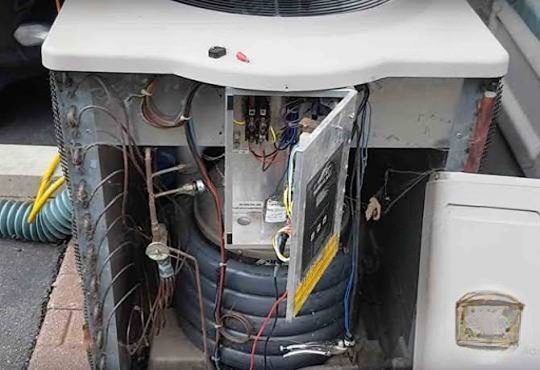
If flow, thermostat, and gas are all fine and the heater still will not light, the problem is often in ignition. A worn-out igniter, a pilot that will not stay lit, or a fouled burner will keep the heater from firing even when everything upstream is perfect. A dead igniter is one of the most common gas-heater repairs, typically in the range of about one hundred to two hundred fifty dollars for the part and labor. This is not a job to attempt yourself. Anything involving the gas valve, the burner, or the ignition system should be handled by a licensed professional, both for safety and because a misdiagnosis here gets expensive fast.
5. The Flow or Pressure Switch Itself Is Bad
Sometimes flow is genuinely fine, but the switch that senses it has failed or clogged, and it tells the heater there is no water when there is. A stuck or scaled pressure switch, or a failed flow sensor, will lock the heater out just like real low flow does. Diagnosing this means testing the switch, so it is a pro job, but it is usually an affordable part, roughly one hundred to two hundred fifty dollars installed.
6. Scale or Corrosion in the Heat Exchanger
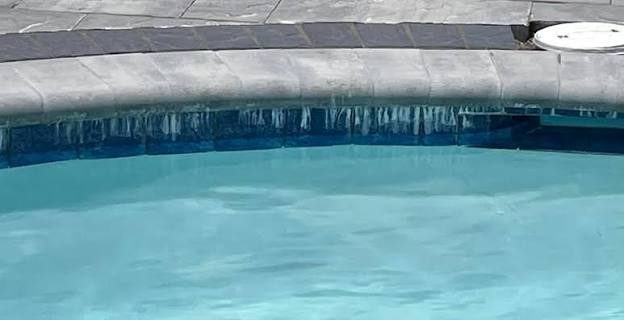
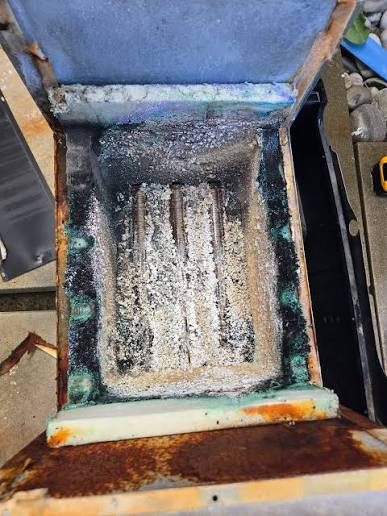
This is the one that is especially a New Braunfels problem. The heat exchanger is the part inside the heater where the flame actually warms your water, and it is the single spot most vulnerable to our hard water. Calcium becomes less soluble as water gets hotter, so it comes out of solution right where the water is warmest and builds scale on the heat exchanger. That scale insulates the metal, so the heater burns just as much gas but transfers less heat, and your water warms slower and slower. Left long enough, scale and the corrosion that comes with poor water balance can restrict flow or crack the exchanger outright.
A scaled exchanger that gets cleaned in time runs roughly two to four hundred dollars. A cracked heat exchanger is the repair everyone dreads, often fifteen hundred dollars or more, at which point replacing the whole heater usually makes more sense. The best defense is keeping your water balanced so it does not scale in the first place, the same hard-water fight behind the white line on your pool tile.
7. It Is Not Broken, It Is Undersized (or It Is Cold Out)
Sometimes the heater is working exactly as designed and the expectation is off. A heat pump pulls warmth from the air, so on a cold, windy New Braunfels night it heats slowly or struggles to keep up, that is physics, not a fault. An undersized heater on a big pool will also seem to “never heat,” because it cannot outpace the heat the pool loses overnight. If your heater runs fine but simply cannot get the water where you want it, the answer is not a repair, it is the right-sized unit, which is a conversation about heater installation rather than a fix.
What Each Fix Typically Costs
| Cause | Typical cost | DIY or pro |
|---|---|---|
| Dirty filter / low flow | Free to a service call | DIY |
| Thermostat set low or faulty | Free to a modest part | DIY / pro |
| Gas supply (propane, valve) | Free to gas-pro cost | DIY check / pro |
| Igniter or burner | ~$100 to $250 | Pro |
| Flow or pressure switch | ~$100 to $250 | Pro |
| Heat exchanger, scaled | $200 to $400 | Pro |
| Heat exchanger, cracked | $1,500+ (often replace) | Pro |
Ranges are typical and vary by heater, brand, and parts. Your quote may differ.
Repair or Replace?
Once you know the cause, the decision is usually clear:
LEAN TOWARD REPAIR
The heater is under about ten years old, the fix is a switch, igniter, thermostat, or a one-time scale cleaning, and the rest of the unit is sound.
LEAN TOWARD REPLACE
A cracked heat exchanger, an old and corroded unit, repeated failures, or a heater that was always undersized for the pool. Repairs start stacking up.
A newer heater with a cheap part failure is almost always worth repairing. An older heater staring down a heat-exchanger replacement usually is not, because a new, properly sized unit will run more efficiently and come with a warranty. When it is genuinely time, matching the heater to your pool and gas supply matters, which is where professional heater repair and installation earn their keep.
Leave the gas side to a licensed pro
Checking flow, valves, the thermostat, and the propane level is fair game. Anything involving the gas valve, the burner, the ignition system, or opening up the heater is a job for a licensed professional. Gas and combustion are not the place to experiment.
Heater still cold after the easy checks?
Poncho’s diagnoses the real cause, gives you an honest repair-or-replace answer, and gets your pool warm again. Serving New Braunfels and Comal County.
Get a Free Quote